TLDR
An uneven bite can place extra stress on your teeth and jaw and may contribute to tooth wear, jaw discomfort, or headaches. At Smiles by Design Dental Spa, Dr Schraw looks beyond your teeth to understand how your bite, jaw, and surrounding muscles work together.
Does it hurt when you chew or bite down?
An uneven bite can place extra pressure on your teeth, jaw, and jaw muscles. Over time, that strain may contribute to tooth wear, jaw pain, grinding, or clenching.
At Smiles by Design Dental Spa in Fort Mill, SC, Dr. Schraw works with patients dealing with concerns such as jaw pain, teeth grinding, and clenching. Her approach considers how the teeth, jaw, and surrounding muscles work together to understand what may be contributing to the problem and find the right treatment.
What is a Bite Imbalance?
A bite imbalance, sometimes called malocclusion, occurs when the upper and lower teeth don’t come together in an ideal or comfortable way.
Some teeth may overlap more than they should, while others may have little to no contact. Not every difference in how your teeth meet causes a problem. Treatment is generally considered when the bite is contributing to symptoms, tooth damage, difficulty chewing, or other concerns.
What Are the Signs of a Bite Imbalance?
You may notice changes in how your teeth meet, how you chew, or how your jaw feels.
Common signs include:
- Uneven tooth wear or cracked teeth
- Difficulty or discomfort when chewing
- Jaw pain, tenderness, or tension
- Teeth grinding or clenching
- A bite that feels uneven when your teeth come together
- Facial tension or discomfort
Can a Bite Imbalance Affect More Than Your Teeth?
Yes. A bite imbalance can affect more than the teeth. It may add strain to the jaw muscles and temporomandibular joints (TMJs), which can contribute to jaw pain, facial tension, or discomfort in some patients.
An uneven bite can add stress to the muscles and joints involved in chewing. In some patients, this may be associated with jaw pain, facial discomfort, or other symptoms.
Headaches and neck discomfort can have many causes, so these symptoms don’t necessarily mean a bite problem is responsible. A dental evaluation can help determine whether your bite may be contributing.
A bite problem can also affect everyday activities like chewing, especially if certain teeth don’t contact comfortably.
What Causes Bite Problems?
A bite imbalance can develop suddenly from a single event or gradually from habits and other changes over time.
- Injury or tooth loss: An injury to the teeth or jaw can change their position and affect your bite. Losing a tooth can also cause nearby teeth to shift into the open space.
- Changes after dental work: Crowns, bridges, dentures, and other restorations can sometimes change how your teeth come together, particularly if the fit or bite needs adjustment.
- Misaligned Teeth: Teeth may grow crooked or crowded because of differences in jaw size, shape, or position, which can affect how they come together.
- Childhood habits: Prolonged thumb sucking, pacifier use, or tongue thrusting can influence dental and jaw development in some children and may contribute to certain bite problems.
How Can Bite Imbalances Be Treated?
Because bite problems can vary in cause and severity, your dentist will tailor treatment to what is affecting your bite.
- Orthodontic treatment, such as braces or clear aligners, can help move crooked or crowded teeth into better positions.
- Restorative treatments, such as crowns, bridges, and dental implants, may repair damaged teeth or replace missing ones.
- If teeth grinding or clenching is contributing to tooth wear or jaw strain, a night guard may help protect your teeth and reduce the effects of excessive pressure. Additional treatment may be recommended when the underlying cause needs to be addressed.
- For some patients with TMJ-related muscle tension or persistent clenching, our therapeutic Botox for TMJ in Fort Mill can help relax overactive jaw muscles. Dr. Schraw can determine whether this approach is appropriate based on the underlying cause and symptoms.
- Some significant jaw discrepancies may require evaluation for corrective jaw surgery, particularly when orthodontic treatment alone cannot address the underlying problem.
- Full-mouth rehabilitation may be an option when years of grinding, clenching, tooth wear, damage, or missing teeth have significantly changed the way your teeth come together.
Why Personalized Treatment Matters at Smiles by Design Dental Spa
No single approach corrects a bite problem for everyone.
What works for crooked teeth may not be the right solution when jaw pain, grinding, clenching, or extensive tooth wear are also involved.
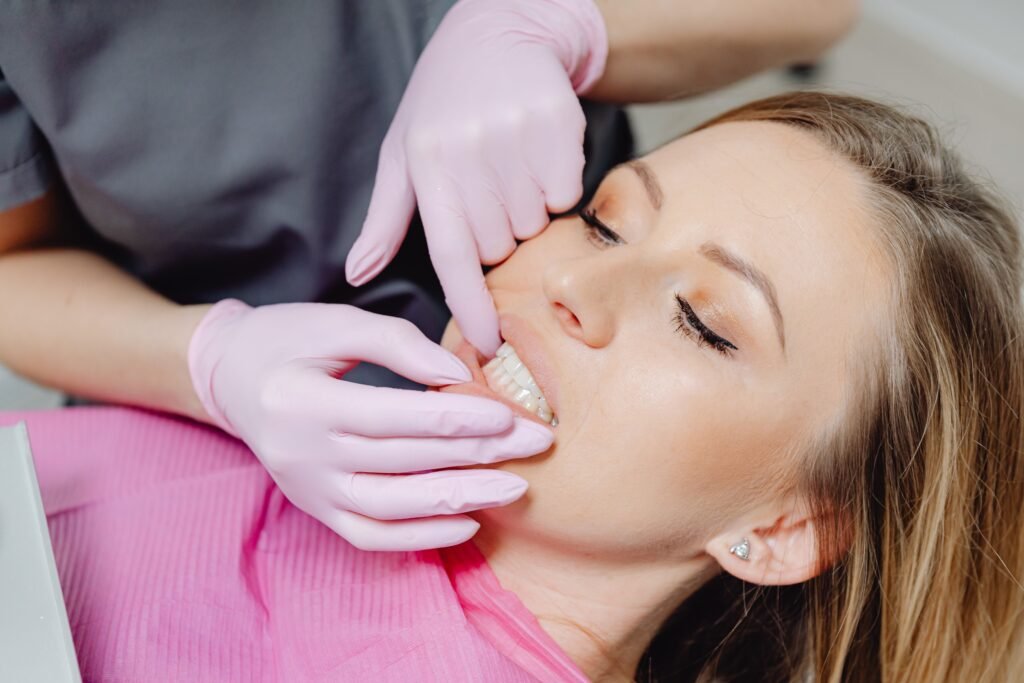
At Smiles by Design Dental Spa, our team examines your teeth, jaw, bite, and overall oral health to get a complete picture before recommending treatment. This helps us identify what may be driving your symptoms, rather than focusing only on how your teeth look.
Dealing with jaw pain, headaches, grinding, clenching, or worn or cracked teeth? Schedule an appointment with Smiles by Design Dental Spa in Fort Mill, SC, to talk with Dr. Schraw about what may be contributing to your symptoms and which treatment approach may be right for you.
Key Takeaways
- A bite problem can affect your teeth, jaw, muscles, and everyday activities such as chewing.
- Treatment may include orthodontics, restorative care, a night guard, therapeutic Botox, or surgery, depending on the cause.
- Dr. Schraw at Smiles by Design Dental Spa in Fort Mill, SC, evaluates the full bite when symptoms such as jaw pain, grinding, and clenching are present.
Sources
- https://baxtervillagedentistry.com/
- https://my.clevelandclinic.org/health/diseases/22010-malocclusion
- https://baxtervillagedentistry.com/botox-for-tmj-fort-mill-sc/
- https://www.healthline.com/health/malocclusion-of-teeth
- https://baxtervillagedentistry.com/cosmetic-dentistry-fort-mill-sc/
- https://baxtervillagedentistry.com/dental-crowns-fort-mill-sc/
- https://baxtervillagedentistry.com/dental-bridges/
- https://baxtervillagedentistry.com/dental-implants-fort-mill-sc/