TLDR
GLP-1 medications are commonly used for weight loss and diabetes treatment, but they may also affect oral health. Side effects can increase the risk of cavities and enamel damage. Our Fort Mill dentist helps patients maintain excellent oral health while taking GLP-1 medications.
GLP-1 medications have become increasingly popular among people looking to manage their weight or diabetes. As their use continues to grow, many people are beginning to ask how these medications may affect other aspects of their health, including their teeth and gums.
So, what is GLP-1, and should dental patients be concerned?
Dr. Schraw, our dentist in Fort Mill, near Charlotte, NC, helps patients understand how medical treatments can affect oral health and how to keep their smiles healthy during and after treatment.
What Are GLP-1 Medications and Why Do People Use Them?
GLP-1 medications are prescription drugs used to manage Type 2 diabetes and support weight loss. They work by mimicking a natural hormone that helps regulate blood sugar levels, slows stomach emptying, and promotes feelings of fullness. As a result, they can help people feel satisfied longer and better manage their appetite. Common examples include Ozempic®, Wegovy®, and other GLP-1 medications prescribed under medical supervision.
Like many medications, GLP-1 drugs can cause side effects, some of which may increase the risk of dental concerns.
What Are the Oral Side Effects of GLP-1 Medications?
Common GLP-1 side effects include changes in saliva production, digestion, and eating habits.
Dry Mouth
Dry mouth can occur in some people taking GLP-1 medications. Since saliva helps protect teeth by washing away bacteria and neutralizing acids, reduced saliva production can increase the risk of bad breath, plaque buildup, and tooth decay.
Acid Reflux and Enamel Erosion
Some people experience nausea or acid reflux while taking these medications. When stomach acid repeatedly reaches the mouth, it can gradually wear away tooth enamel.
Enamel erosion can cause tooth sensitivity and increase the risk of decay.
Changes in Gum Health
Dry mouth, changes in hydration, and shifts in eating habits may contribute to gum irritation or sensitivity in some patients. As a result, some people may experience gum tenderness or sensitivity.
Snacking Habits and Cavity Risk
Changes in appetite and eating patterns can affect how often teeth are exposed to sugars and acids throughout the day.
Over time, these changes may increase the risk of cavities. This is one of the reasons some people associate GLP-1 medications with “Ozempic teeth.”
What Are Ozempic Teeth?
“Ozempic teeth” is not an official dental diagnosis. Instead, it is a popular phrase that originated with Ozempic use but is now commonly used when people refer to oral side effects associated with all GLP-1 medications.
Rather than describing a single condition, the term generally refers to the unusual dental changes some people notice while taking these medications.
How Can You Protect Your Oral Health While Taking GLP-1 Medications?
A few simple habits can help you stay ahead of potential side effects:
- Stay well hydrated throughout the day.
- Brush twice daily with fluoride toothpaste.
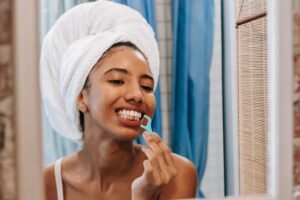
- Floss daily.
- Drink water after meals and snacks when possible.
- Limit sugary snacks and beverages.
- Use alcohol-free mouth rinses if dry mouth becomes an issue.
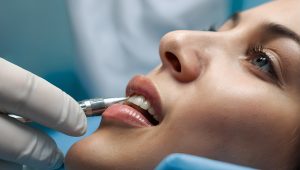
- Schedule regular dental cleanings and exams.
- Report persistent dry mouth or reflux symptoms to your healthcare provider.
Routine dental care can help reduce the risk of cavities, gum disease, and other oral health issues.
When Should You Discuss GLP-1 Side Effects with Our Dentist in Fort Mill?

Have you started taking GLP-1 medications and noticed changes in your oral health? Schedule an appointment with Dr. Schraw today to discuss any symptoms you may be experiencing.
Many people overlook mild oral health changes related to medication use. However, these concerns can worsen over time if left unaddressed. Early attention to dry mouth, enamel erosion, or gum irritation can help prevent more serious dental problems down the road.
Our dentist in Fort Mill works closely with patients to identify risk factors and develop personalized care plans for maintaining oral health during treatment.
Key Takeaways
- GLP-1 medications used for diabetes and weight loss may affect oral health.
- Medication side effects can increase the risk of cavities and enamel erosion.
- “Ozempic teeth” is a non-medical term often used to describe oral health changes associated with the side effects of GLP-1 medications.
- Regular dental care from Dr. Schraw at Smile by Design Dental Spa in Fort Mill, SC, can help identify and address Ozempic-related dental issues early.
Sources
- https://baxtervillagedentistry.com/
- https://nam.edu/news-and-insights/understanding-glp-1-drugs/
- https://www.healthline.com/health/type-2-diabetes
- https://my.clevelandclinic.org/health/treatments/13901-glp-1-agonists
- https://www.healthline.com/health/dental-and-oral-health/daily-ways-to-protect-your-teeth